





Effluent
The word ‘effluent’ refers to liquid waste or sewage.
Event effluent is: 'The combination of inventory and any firefighting water and/or foam and rainwater arising from an event.'
Trade effluent is: ‘Any liquid waste, other than surface water and domestic sewage that is discharged from premises being used for business, trade or industry.’
Ref Containment systems for the prevention of pollution, Secondary, tertiary and other measures for industrial and commercial premises (CIRIA C736), published by CIRIA in 2014.
NB Water Bill, Glossary: water terms, published by the Department for Environment, Food and Rural Affairs in November 2013, defines trade effluent as: ‘Untreated, non-domestic sewage from commercial premises.’
The glossary of statistical terms, published by the Organisation for Economic Co-operation and Development (OECD), defines effluent as: ‘…liquid waste product (whether treated or untreated) discharged from an industrial process or human activity that is discharged into the environment.’
[edit] Related articles on Designing Buildings
Featured articles
Check out some of the best features and news from Designing Buildings as well as key stories from around the web.

Building Safety Newsletter from MHCLG.

An extraordinary record of steel engineering worldwide.
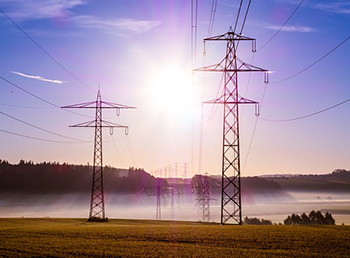
Households living near new pylons to save on bills.

ECA warns growth must not outpace grid capacity or skills.
The role of the client and decision making

CIOB response to built environment professions call for evidence.
Construction's sustainability reporting revolution
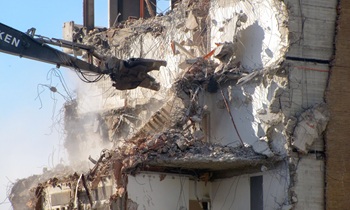
Tracking upfront embodied carbon with digital tools.
ECA welcomes procurement reforms

Public spending must back British jobs and skills.
Campaigning for Edinburgh: the Cockburn Association 1875-2049

The role of the civic voice in protecting character. Book review.
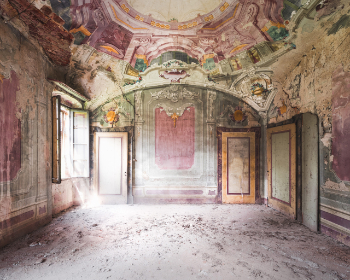
CIOB photography competition is open for entries.
ECA Edmundson apprentice of the year award

Finalists announced.
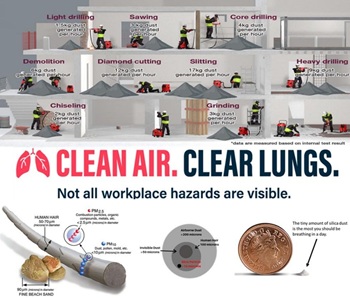
Major new study exposes serious knowledge gaps.
Generating energy from internal light as well as sunshine.